What to Expect from Daycare
Tapping Into Opportunities: How Montessori Methods Reshape Learning for Every Child
Montessori approaches offer a distinctive method to education that emphasizes independence, inquisitiveness, and critical thinking. By establishing structured settings and utilizing hands-on materials, these approaches cater to different learning styles. Multi-age classroom settings foster teamwork and allow children to advance at their own speed. This holistic approach not only enhances academic skills but also supports individual development. What implications might this have for the educational landscape? Investigating these questions uncovers deep understanding.
The Main Cornerstones of Montessori Education
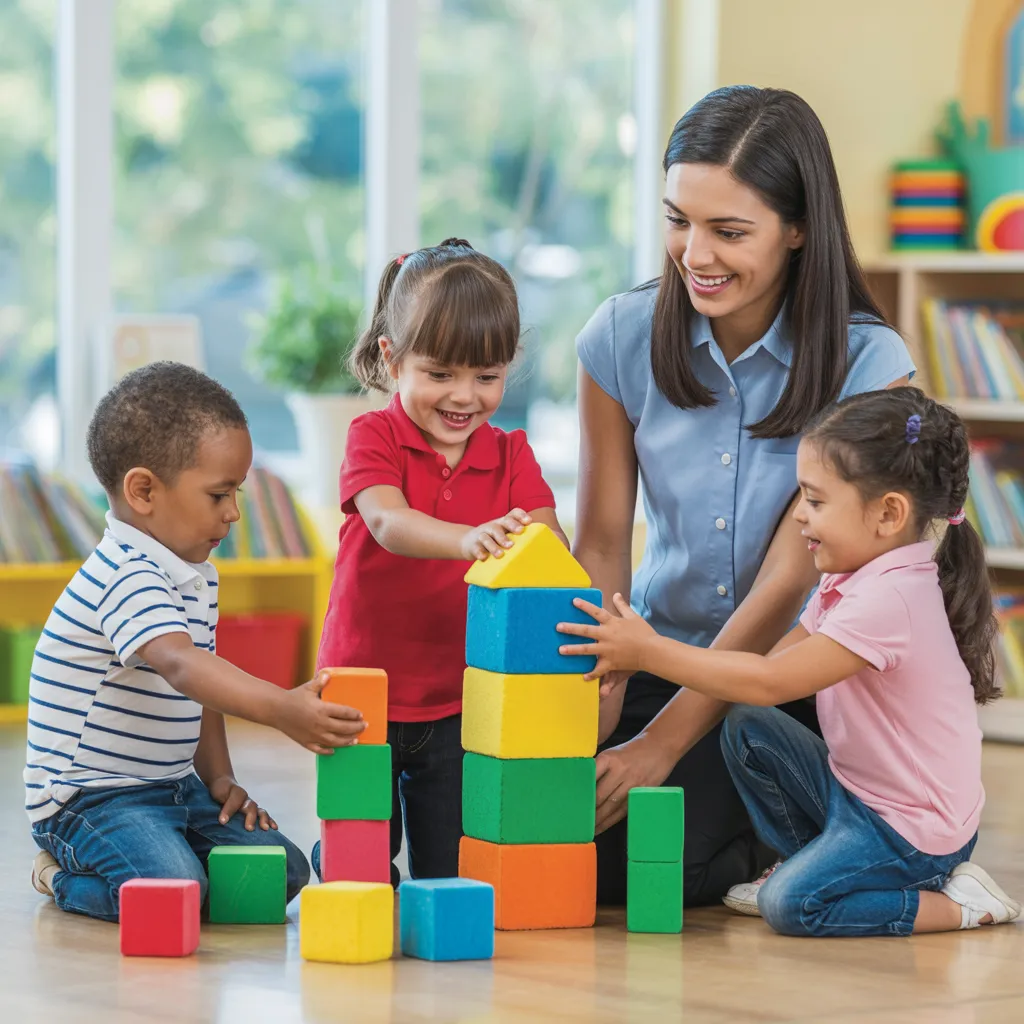
Montessori education rests upon several central principles that shape its method of learning. At the core of this philosophy is the belief in each child's innate potential, highlighting respect for their individual developmental pace. The prepared environment has a vital role, designed to encourage exploration and self-directed activity. The materials are carefully selected to be engaging and suitable for developmental stages, allowing children to learn through practical, hands-on experiences. Moreover, the Montessori approach encourages a mixed-age classroom, supporting collaboration and peer learning. Teachers serve as guides rather than traditional instructors, facilitating learning while observing and backing each child's unique journey. This holistic method nurtures not only cognitive skills but also social and emotional growth, fostering a lifelong passion for learning. Through these principles, Montessori education seeks to build independent, confident learners ready to navigate the world around them.
How Montessori Education Fosters Self-Reliance in Children
Montessori education uniquely fosters independence in children through self-directed learning, allowing them to lead their educational journey. By focusing on practical life skills, children gain self-assurance in their abilities more information to handle everyday tasks. Moreover, the choice freedom motivates them to make decisions, further improving their autonomy and self-reliance.
Promoting Autonomous Study
Promoting independence in children, the Montessori approach focuses on self-directed learning as a core principle. This method supports children to take control of their educational path, letting them to select activities that align with their interests and developmental levels. Through a carefully prepared environment stocked with materials, educators promote exploration and discovery, enabling students to seek knowledge at their own speed. This self-governance not only builds critical thinking and problem-solving abilities but also fosters a sense of accountability. As children participate in self-directed activities, they gain confidence in their skills, strengthening their intrinsic motivation. In the end, this method nurtures lifelong learners provided with the tools needed to navigate an ever-changing world, establishing a solid foundation for future educational pursuits.
Important Life Techniques
Encouraging kids to become proficient in practical life skills is a key aspect of Montessori education. Hands-on activities enable children to learn fundamental tasks like pouring, sweeping, and dressing, which enhance independence and confidence. Designed to be age-appropriate, these activities let children participate at their own speed. Through the practice of real-life skills, they enhance fine motor coordination and cognitive skills, boosting their sense of accomplishment. Also, highlighting responsibility encourages a connection to the environment and community. As they complete these tasks, youngsters build problem-solving skills and an awareness of the results of their actions. Ultimately, practical life skills not only prepare kids for daily living but also ignite a lifelong love for learning and self-sufficiency.
Liberty of Preference
Children who take part in hands-on practical abilities develop a solid base for self-reliance, which is further enhanced by the liberty to choose fundamental to Montessori education. This educational philosophy permits children to select activities that align with their passions and learning stages, nurturing a feeling of responsibility over their education. By making choices, they master the skill of assess their preferences, organize time, and develop critical thinking abilities. This autonomy encourages self-motivation and belief in themselves, as children journey through their academic experience at their personal speed. Furthermore, the learning space is intentionally arranged to facilitate these choices, with materials within reach and inviting. As an result, children in Montessori environments not only foster self-reliance but also develop a enduring enthusiasm for discovery through exploration and discovery.
The Way Interactive Learning Sparks Curiosity
Hands-on learning works as a driver for curiosity in children by activating their senses and fostering active participation. This approach enables independent exploration, enabling students to discover concepts through their own experiences. Additionally, it cultivates creative analytical abilities, arming learners to navigate challenges in innovative ways.
Connecting Via Sensory Experiences
Many investigations highlight the profound effect of sensory experiences in early education, demonstrating how hands-on contact can ignite interest. In Montessori classrooms, students engage with materials that activate their senses, promoting exploration and education through touch, sight, sound, and movement. For example, using sandpaper letters enables students to feel the shapes of letters while simultaneously acquiring to identify them. This multisensory method not only improves cognitive development but also promotes emotional connections to the learning process. As students manipulate various objects, they build fine motor skills and spatial awareness, critical for future academic success. Ultimately, sensory experiences establish a rich, engaging environment that supports curious minds, transforming learning a dynamic and enjoyable journey.
Promoting Autonomous Inquiry
Building upon the significance of sensory experiences, promoting independent exploration naturally extends Montessori principles. In this approach, children are encouraged to interact with their environment openly, allowing them to follow their interests and questions. Hands-on learning activities offer opportunities for students to handle materials and uncover concepts at their own speed. This autonomy fosters not only curiosity but also strengthens confidence, as children learn to trust their intuition and make decisions. By establishing an environment abundant in tools and materials, educators support this exploration, steering children to pursue their innate inquisitiveness. Ultimately, supporting independent exploration nurtures a lifelong passion for learning, enabling children to seek knowledge beyond the classroom.
Promoting Imaginative Issue Resolution
Exploration of tactile materials sparks children's creative potential and promotes creative answer-finding. In Montessori environments, practical experiences facilitate children to explore concepts through personal involvement. This framework develops exploratory spirit, letting learners to experiment and perfect on their visions. When facing challenges, children come to know to construct multiple solutions, deepening their evaluative skills.
The use of manipulatives, such as building blocks or art supplies, invites exploration and risk-taking in a secure environment. Children are motivated to ask questions and seek answers on their own, developing strength and flexibility. This approach nurtures not only academic skills but also social-emotional development, as children work together and share insights. Ultimately, Montessori techniques transform traditional learning by empowering students to become resourceful problem solvers.
How Montessori Techniques Elevate Academic Achievement
Montessori approaches cultivate a distinctive educational setting that enhances scholastic achievement by promoting independent discovery and analytical reasoning. In this methodology, students engage with hands-on materials that accommodate different educational preferences, promoting deeper understanding of concepts. The emphasis on individualized learning enables students to progress at a self-determined speed, fostering a sense of ownership over their education.
Furthermore, the age-diverse classroom settings promote peer learning, where younger students can learn alongside older peers, reinforcing knowledge through teaching. This community-oriented environment strengthens communication skills and cultivates a love for learning. Teachers operate as guides rather than traditional instructors, enabling inquiry and exploration.
Assessment in Montessori settings prioritizes mastery rather than grades, enabling students to strengthen intrinsic motivation. As a consequence, children often show heightened academic fortitude, resulting in better performance in standardized assessments. Overall, Montessori methods provide a firm foundation for perpetual learning and academic achievement.
Vital Life Proficiencies Achieved With Montessori Pedagogy
Cultivating independence and responsibility, Montessori education cultivates essential life skills that extend beyond formal education. This approach inspires children to demonstrate leadership and make choices, fostering critical thinking skills vital for long-term achievement. By immersing themselves in hands-on activities, students cultivate resourcefulness and gain proficiency in time effectively. The emphasis on cooperative learning within mixed-age classrooms also fosters social skills, teaching children understanding and regard for their classmates.
Furthermore, Montessori education encourages self-control through organized schedules, enabling children understand the consequences of their actions. Hands-on life experiences, such as meal preparation and gardening, foster a sense of accountability and care for their environment. These experiences not only improve motor skills but also develop self-assurance and resilience. Ultimately, the practical abilities gained through Montessori education enable children to navigate challenges and adapt to new situations, preparing them for a fulfilling future.
Adjusting Montessori Teaching to Diverse Individual Learning Approaches
Tailoring educational methods to accommodate diverse learning styles creates a more inclusive and effective learning environment. Montessori education is naturally flexible, understanding that children learn in multiple ways—visually, auditorily, and kinesthetically. By engaging with hands-on activities and materials, students interact with concepts in a manner that aligns with their individual preferences.
Teachers carefully observe each child, recognizing unique strengths and challenges. This assessment informs personalized lesson plans that align with each learner's style, fostering deeper understanding and retention. For instance, a child who thrives in spatial reasoning may benefit from manipulating geometric shapes, while another might flourish through storytelling.
This freedom establishes a sense of autonomy, empowering students to take stewardship of their learning journey. By recognizing and supporting diverse learning styles, Montessori education not only elevates academic achievement but also supports a love for learning that transcends beyond the classroom.
Preparing for Sustained Success: The Montessori Advantage
An education that respects individual learning styles lays a strong foundation for long-term fulfillment. The Montessori system centers on self-directed learning, enabling children to delve into their pursuits at their own pace. This method cultivates analytical skills and troubleshooting prowess, crucial attributes in an ever-changing world. By fostering independence, students learn to take responsibility for their education, preparing them for future challenges.
In addition, the heterogeneous classroom atmosphere facilitates teamwork and learning from classmates, improving social skills and emotional intelligence. Children acquire respect for varied viewpoints, which is essential for success in worldwide settings. The focus on experiential, practical engagement further outfits students with practical skills suitable beyond the classroom.
Ultimately, the Montessori advantage exists within its holistic approach, cultivating not only scholarly skills but also personal growth. This all-encompassing educational framework equips children to traverse life's challenges, guaranteeing they possess the resources necessary for lifelong success.

Frequently Asked Questions
Which Student Age Groups Stand to Gain the Most From Montessori Education?
Children aged 3 to 6 years experience the greatest benefits from Montessori education, as this stage nurtures independence and self-directed learning. However, older age groups, including elementary students, also acquire valuable skills through the Montessori approach.
How Can Montessori Education Accommodate Children With Special Needs?
Montessori education accommodate children with special needs by offering personalized educational instruction, fostering independence, and allowing flexibility in pace. This tailored approach enables varied students to flourish in a supportive and nurturing environment, highlighting their distinctive abilities.
Do Montessori Schools Result in Greater Expenses Compared to Traditional Schools?
Montessori schools typically charge increased fees compared to traditional schools, primarily because of reduced classroom populations, unique educational resources, and individualized instruction. Nevertheless, expenses may differ significantly based on location and specific program offerings.
What Skills Do Montessori Teachers Require?
Montessori educators typically need a bachelor's degree and advanced preparation in Montessori approaches, which includes both theoretical knowledge and hands-on training. Certification from recognized Montessori organizations is often essential for teaching in accredited institutions.
How Might Caregivers Champion Montessori Concepts at Home?
Parents can encourage Montessori methods at home by designing a structured space, promoting independence, giving alternatives, stimulating discovery, and advancing experiential learning. Engaging in exploratory talks also strengthens problem-solving abilities and nurtures a kid's inborn interest in learning.